By ATI March 17, 2026
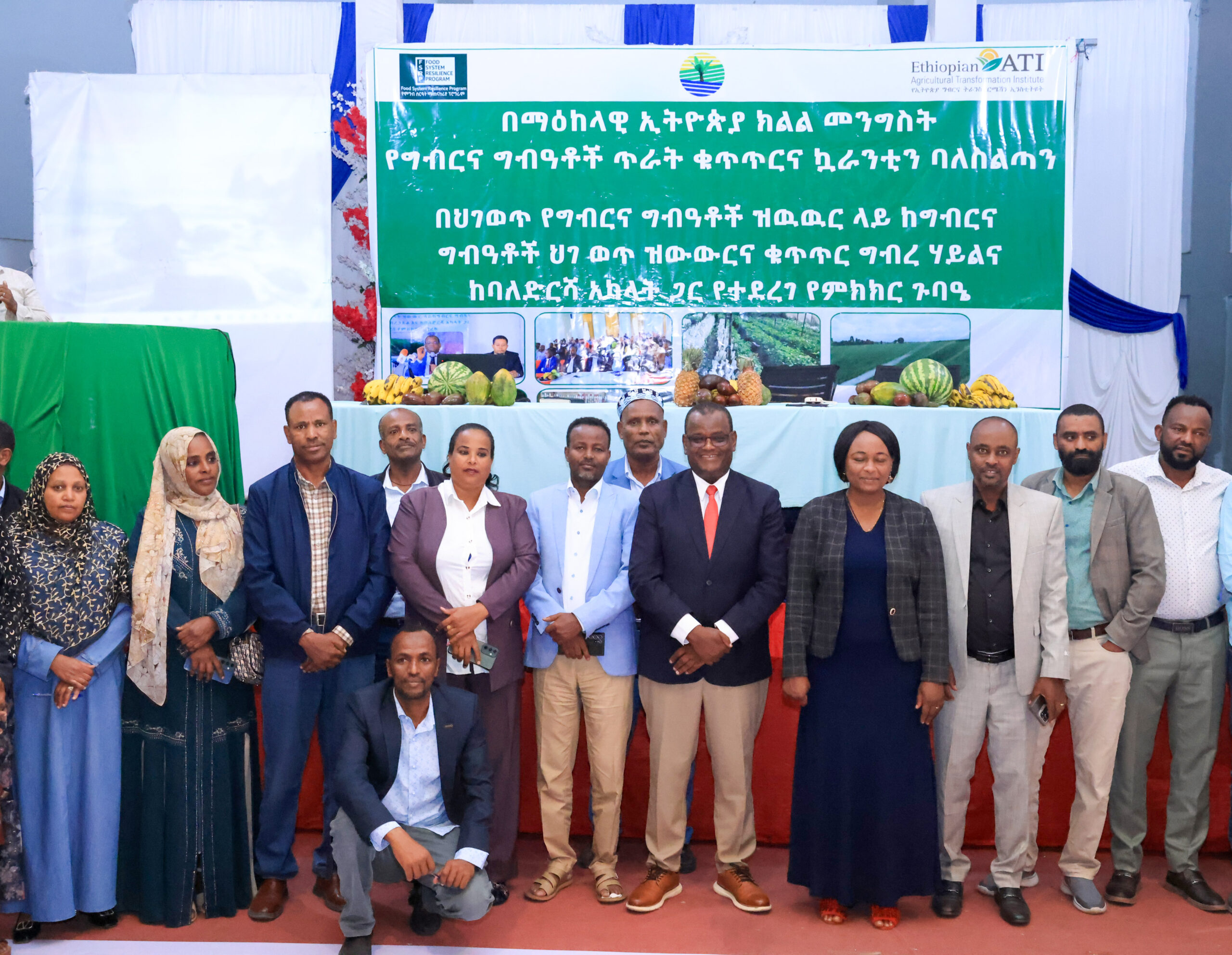
The Ethiopian Agricultural Transformation Institute (ATI) co-organized regional stakeholders’ consultative workshop on illegal agricultural inputs distribution on March 17, 2026, in Halaba, Central Ethiopia Region, in collaboration with the Regional Agricultural Inputs Quality Control and Quarantine Authority. Acknowledging the critical role of accessible, affordable, and high-quality agricultural inputs in driving agricultural transformation, the workshop provided a strategic platform to promote coordinated action among key stakeholders on tackling illegal agricultural input distribution.
The primary objective of the workshop was to consolidate efforts to address the widespread illegal distribution of agricultural inputs—including seeds, agrochemicals, and machinery, which continues to adversely affect agricultural production and productivity across the region.
In his opening remark, H.E Mr. Usman Surur, in the rank of vice president, the Regional Rural Development Cluster Coordinator and Head of the Bureau of Agriculture, underscored the critical importance of ensuring the availability and accessibility of quality agricultural inputs as a catalyst for both regional agricultural transformation and broader national development. He emphasized that the implementation of robust, well-coordinated law enforcement mechanisms must remain central to all regional initiatives. Furthermore, he highlighted that the illegal distribution of agricultural inputs not only undermines productivity but also poses significant risks to human health and the environment. He therefore called for concerted and sustained efforts from all stakeholders to ensure that agricultural inputs are distributed exclusively through authorized channels, including accredited private sector outlets, one-stop service centers, and cooperative unions.
The Central Ethiopia Agricultural Inputs Quality Control and Quarantine Authority delivered a comprehensive presentation outlining best practices, ongoing interventions, and the challenges encountered in combating the distribution of illegal agricultural inputs. Key issues identified included unauthorized distribution networks, counterfeit seeds and agrochemicals, and systemic enforcement gaps. The Authority also proposed innovative mitigation strategies, notably the digitalization of input distribution systems through advanced tracking mechanisms to enhance transparency and accountability.
Representatives from the ATI reaffirmed the Institutes ongoing commitment to supporting the region in addressing these challenges. Drawing on findings from recent analytical studies conducted by the Anylticts Team, they emphasized the importance of capacity building and institutional strengthening to ensure the consistent provision of quality agricultural inputs. They further called upon all stakeholders to maintain continuous collaboration, promote diversification in input supply systems, and leverage innovation and coordinated approaches to effectively curb illegal activities and drive sustainable agricultural transformation.
The workshop convened a diverse group of participants, including representatives from the Regional Council, Bureau of Agriculture, Police Commission, Justice Bureaus, Trade bureau, Seed Producer, agro-dealers, and other relevant stakeholders, reflecting a strong, collective commitment to addressing this critical issue.
Discover more from Agricultural Transformation Institute
Subscribe to get the latest posts sent to your email.