By ATI June 19, 2026
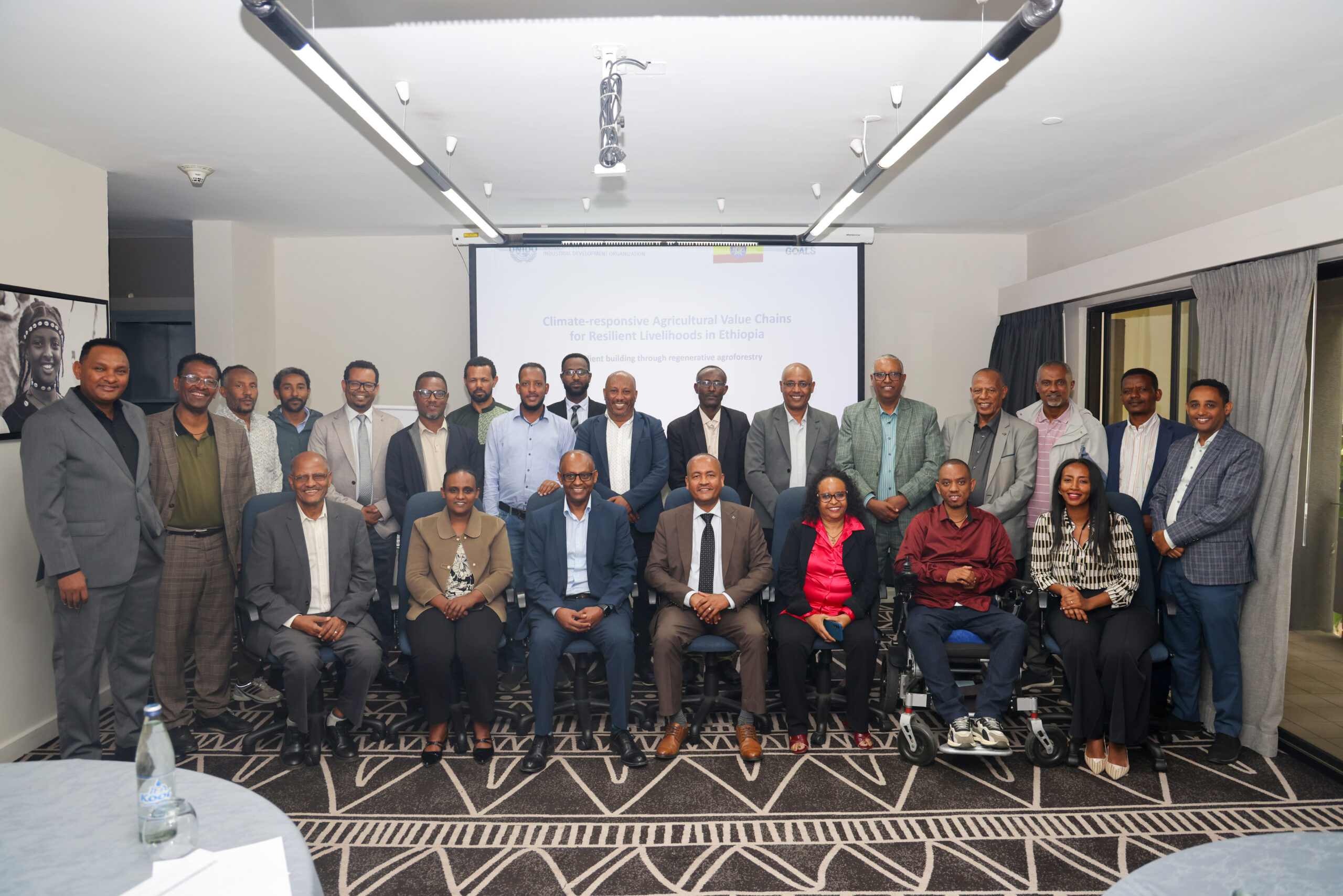
The Ethiopian Agricultural Transformation Institute (ATI) conducted consultation and validation workshop on June 16, 2026 at the Hilton Addis Ababa to support Ethiopia’s climate adaptation efforts.. The workshop focused on developing the project “Climate-Responsive Agricultural Value Chains for Resilient Livelihoods in Ethiopia,” which targets the climate- and conflict-affected regions of Amhara, Tigray, and Afar. These areas face overlapping challenges that threaten livelihoods and natural resources.
The five-year initiative, led by the Ethiopian Agricultural Transformation Institute (ATI) with support from UNIDO and ICRAF, aims to promote regenerative agroforestry, strengthen the participation of women and youth, and build climate resilience through community-led approaches. The workshop brought together representatives from government, development partners, research institutions, and financial organizations to review the project concept, share feedback, and ensure alignment with national and global climate priorities.
During his welcome remark, Dr Yoseph Mekasha, Director of the Livestock Commercialization Program at ATI highlighted the importance of climate-responsive agricultural value chain development for ensuring resilient livelihoods and environment sustainability. During his opening remarks Dr Frew Tegegne, Deputy Director General of ATI, appreciated UNIDO for their interest in collaborating with ATI in this important project and advised the design team to leverage ATI’s innovative approaches and interventions in the area of commercialization clustering approach, climate resilient agriculture, recovery and job creation. Mr Asegid Adane, Deputy Representative of UNIDO in Ethiopia, explained UNIDO’s engagement in Ethiopia, its partnership with the ATI and future collaborations.
Presentations highlighted the project’s objectives, innovative climate solutions, and findings from community-level needs assessments. Participants stressed the importance of stronger community engagement, better use of existing early warning systems, and integration of indigenous knowledge to increase impact. The workshop raised awareness, gathered valuable feedback, and identified next steps for refining and submitting the project proposal. Continued stakeholder engagement will be essential to building resilient livelihoods across Ethiopia’s vulnerable drylands.
Ms Yvonne Lokko, Head of IET/AGR/AIB at UNIDO Headquarters, presented the way forward and next steps. In her closing remarks, she thanked participants for their active engagement and outlined the next stages of the project design process, emphasizing the importance of continued stakeholders’ participation
Discover more from Agricultural Transformation Institute
Subscribe to get the latest posts sent to your email.